The Acquihire Is No Longer A Distress Sale
Published: 2026-03-12

Throughout startup history, an acquihire meant the company failed. The product didn’t break out, revenue growth stalled and the board found a soft landing. A bigger tech company would buy the assets, but the transaction was for the team and not the business or product. Most of the consideration (cash + equity) would flow to the founders through retention packages, some employees would be brought on and investors typically got somewhere between zero and their original investment back. Effectively the acquirer was recruiting a hard charging team with specific technical domain expertise.
But in the AI era a new category of expensive acquihires has emerged. Inflection,
LoveForm,
Windsurf,
Scale AI, Adept, OpenClaw.
While some of these deals are not as egregious as hyped up in the press, the trend is real.
If this trend continues it will have a profound impact on the relationship between start-up founders, investors and employees.
The four levels of acquisitions
Traditionally, acquisitions would fall into one of four categories
  $$$$, bankers involved, top shelf liquor, steak dinner celebration
                            ▲
                            │
                 ┌─────────────────────────┐
                 │        BUSINESS         │
                 │  ex: Activision → MSFT  │
                 └─────────────────────────┘
                            │
                            │
                 ┌─────────────────────────┐
                 │        PRODUCT          │
                 │  ex: Instagram → Meta   │
                 └─────────────────────────┘
                            │
                            │
                 ┌─────────────────────────┐
                 │       TECHNOLOGY        │
                 │  ex: DeepMind → Google  │
                 └─────────────────────────┘
                            │
                            │
                 ┌─────────────────────────┐
                 │          TEAM           │
                 │   ex:  acquihires       │
                 └─────────────────────────┘
                            │
                            ▼
         $, interview loops, beer, celebrate at In n' Out
The mega-acquihire
Mega-acquihires get a lot of press attention because they imply companies are paying numbers once reserved for elite athletes to hire engineers.
But when you look closely, these deals are not all the same. They fall into three categories:
- Normal acquihires — the headline number is large, but not as a multiple of the amount raised. The structure is classic acqui-hire at a time investors are plowing in money into AI startups.
- Team + Tech acquisitions — the acquirer believes they're buying into a market that's about to be worth trillions.
- Elite athlete contracts — paying whatever it takes to put the best talent on the roster, regardless of whether the deal makes traditional M&A sense.
DeepMind → Google (2014): Team + Tech
Google's purchase of DeepMind in 2014 was arguably the first mega-acquihire, although "team + tech" is the better label in my opinion. DeepMind had made genuine breakthroughs combining reinforcement learning and neural networks. The company had little revenue and no real product to speak of, but Demis Hassabis, Mustafa Suleyman, and Shane Legg had clearly built something that mattered. Google paid over $500M—an extraordinary number at the time—because it was buying both the people and the technical lead they had already created.
In hindsight, this was a great bet. It was a very early, very large bet that a small research team had found one of the most important seams in computing.
Inflection → Microsoft (2024): Normal Acquihire, Big Numbers
Despite the headlines, Microsoft's "acquisition" of Inflection AI looks like a well-connected board navigating towards a soft landing.
Inflection had raised about $1.5B. Microsoft paid $650M directly to the company, not to the founders. Investors like Greylock reportedly made 1x to 1.5x on their capital. The flagship product (a chatbot called Pi) was clearly losing to ChatGPT, Microsoft was already the largest investor, and Reid Hoffman was one of Inflection's co-founders and a Microsoft's board member.
Adept → Amazon (2024): Normal Acquihire
Amazon's deal with Adept followed the same template. The headlines are eye catching, but Adept had already raised more than $400M and its agent product had not found meaningful traction. From a distance it looked like a frontier AI talent coup. Up close it looked like another large soft landing: investors got their money back, the founders got high-profile roles, and Amazon got a team it wanted.
It is the old acquihire playbook inflated by the amount of capital that has sloshed into AI. The boards can still navigate exits to help recoup their investment.
Windsurf → Google (2025): Team + Tech
Windsurf is where the modern structure starts to look different, but I would argue this is a "team + tech" deal. Google paid $2.4B while Windsurf had raised about $243M. More importantly, the deal was not simply "company gets bought, team joins acquirer." Google hired the CEO and key researchers, licensed the technology, and effectively took the pieces it cared most about, while the remainder of the business later found another home.
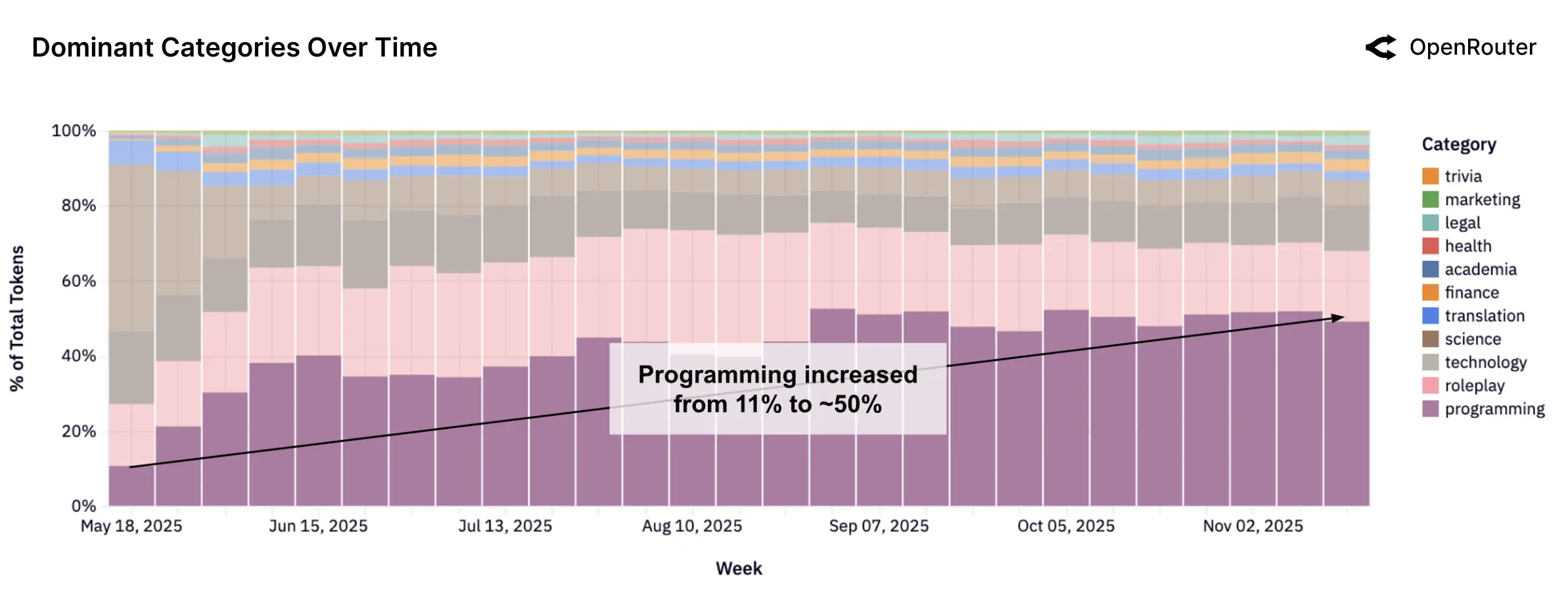
That is not a normal acquihire with big numbers. It is a premium paid for a team that had deep expertise in one of the most important emerging categories in AI. Looking back from March 2026, it is hard to overstate how well timed that bet was. In the subsequent year, code generation broke out as the dominant AI use case, and Windsurf had a team with both product intuition and technical understanding in exactly the right place.
Google was not rescuing a failed company. It was paying aggressively to bring the team and tech that exploded in the subsequent 9 months.
Scale AI, NFDG → Meta (2025): Paying Elite Athlete Money for Talent
Meta's AI acquisitions are truly a departure from anything that came before. The closest analogy is what happens in professional sports: the ultra rich teams pay whatever it costs to get the best players on your roster to win a championship ring.
Take the Scale AI deal—a 49% stake at a $14B valuation. Scale has real revenue (reportedly over $1B annually) and a real product in data labeling and RLHF infrastructure. But Meta didn't buy Scale for the labeling business. It bought Scale to bring on Alexandr Wang.
The NFDG deal is similar. Meta didn't buy them to make money on the NFDG portfolio. The deal was to bring on Nat Friedman and Daniel Gross.
Meta is treating AI talent the way the Dodgers treat pitchers or PSG treats strikers.
I imagine the thinking is that at a time when Meta is spending $65B+ annually on AI infrastructure, why not pay a few billion more for talent?
So can you buy a championship in this game? Meta started 2025 with a clear open source model lead with the Llama family. It has now lost that lead to the Qwen and other models from the Chinese labs, Yann LeCun has left and Alexandr Wang has also left.
For comparison, Anthropic has made 3 acquisitions in the lifetime of the company.
LoveForm, OpenClaw → OpenAI (2025, 2026): ¯\_(ツ)_/¯
These are hard to categorize since we know very little about the io tech and the OpenClaw numbers are undisclosed. My guess is these fall somewhere bwteen "Team + Tech" and "Elite Athlete" acquihire. Although, the io announcement video certainly gave The Decision on cringe factor.
So, are things changing?
Yes. A few trends are clear:
- As AI funding rounds have gotten larger, boards have been to navigate to large acquihires for the AI talent when the business has not taken off. While not big outcomes for investors, this helps set a floor on the investment outcome and encourages continued large funding rounds.
- A very few handful of companies (Meta, maybe OpenAI) are willing to pay elite athlete comp for AI talent.
- With the improvements of codegen tools, we can expect to see the line between "team" and "tech + team" blur for the best engineers. In other words, the codebase will have little IP value, as a few people can easily rebuild it.
Misaligned incentives
These mega-acquihires create tension between founders, investors, and employees that the traditional startup playbook did not really anticipate.
In a classic acquihire, everyone more or less lost together. The company did not work, the exit was modest, and there was not much ambiguity about what had happened. The newer structures are messier. If a large buyer pays hundreds of millions for a technology license while hiring the founders and key researchers into massive comp packages, a lot of the economic value can bypass the normal cap table logic. Founders may walk away in great shape while investors take a loss, or at best grind out a flat return. That is a very different emotional and financial outcome than a normal company sale.
Investors have noticed, and tighter language is already being added to NVCA docs around IP transfers, exclusive licenses, asset sales, and founder departures tied to employment offers from strategic buyers. The point will not be to stop every deal but to prevent a scenario where founders effectively sell while leaving the cap table behind. That concern is no longer theoretical.
Employees are arguably in the worst position. They cannot insert tag-along rights into their employment packages. AI teams are more valuable than ever, but the upside is not necessarily distributed evenly across those teams. Some people are being paid like franchise players. Others are discovering that being adjacent to rare talent is not the same thing as being treated like rare talent.
So what?
The conventional wisdom has always been: do not build a company to be acquired. I think that advice still holds. Most mega-acquihires are boards finding soft landings to recoup their large investment and will not lead to huge windfalls for the founders. It is too early to tell if the elite athelete acquihires were just a failed experiment at Meta. They certainly appear that way as of this writing.
But AI has introduced a real paradox. At the exact moment we are being told AI will automate large swaths of knowledge work, certain knowledge workers are more valuable than ever. And the dynamics are very beneficial to founders who fit in this category. You can easily raise large money, miss on product-market fit, and still end up producing one of the most valuable assets in the ecosystem: a team that knows how to build frontier systems together.
The acquihire is no longer just a consolation prize. In a few corners of AI, it is becoming its own category of outcome.